SHORT TAKE:
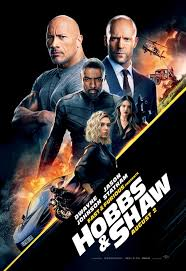
Waste of time – see the Fast and Furious Presents: Hobbs & Shaw trailer #2 (linked here and at end of post) for all the best bits.
WHO SHOULD GO:
Adults only for language and extreme (though really cartoonish) levels of carnage. Not a lot of blood but you wouldn’t want the kids to try these stunts at home.
LONG TAKE:
I have nothing against brainless entertainment and I try to judge a movie only within the genre for which it was intended. So when you go see one of the Fast and Furious franchise films (try to say THAT three times quickly) you don’t expect much beyond good old escapist fun. I even applauded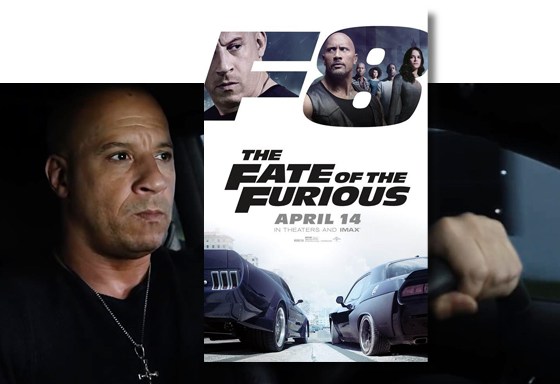 Fate of the Furious in a previous post as a welcome entry.
I love buddy movies and have extolled all kinds from  The Great Escape to
  The Hitman’s Bodyguard. And I have no problem with franchises doing semi-parodies of themselves. I am on record many times for complaining that a movie takes itself TOO seriously. And I think the break from tradition
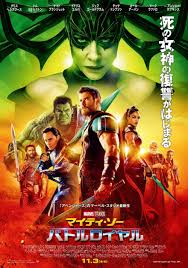
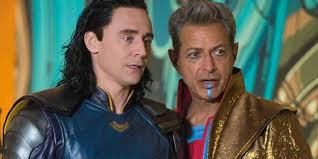
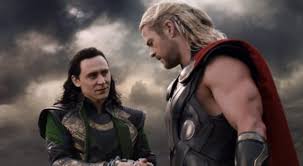
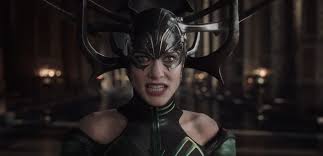
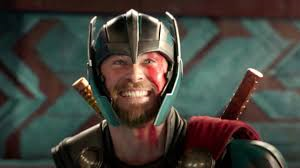
  Thor: Ragnarok, for example, is one of the best Avenger movies.
But you gotta give the audience SOMETHING of substance. Sadly, in the case of director David Leitch’s Fast and Furious Presents: Hobbs & Shaw, it’s like trying to make an entire meal out of day old cotton candy.
SPOILERS – BUT THE PLOT IS SO THREADBARE IT DOESN’T REALLY MATTER
I’m afraid the writers Chris Morgan and Drew Pearce thought they could punch quality into a movie with just star power. But Spielberg’s  1941 or Cimino’s
  Heaven’s Gate or Bay’s
  Pearl Harbor could have warned them otherwise. I understand it is doing well at the box office and good for them. A friend of mine once taught me an expression – No one sets out to make a bad movie. But, unfortunately, despite what the film makers intended, this one is just not very good.
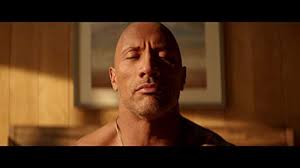 Not that the cast was trying very hard.
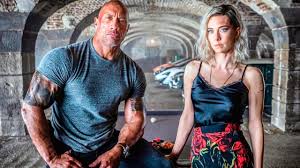
  Johnson and Statham spend most of the movie either posturing like WWW competitors or
 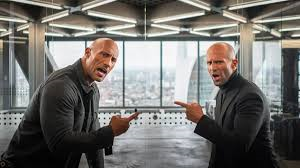 trading childish barbs with all the finesse of opposing players in a grade school gym locker room. Dwayne Johnson was funnier in
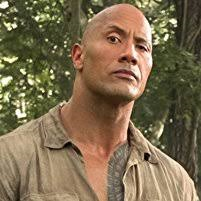 Jumanji, Statham more invested in
  The Expendables, and Vanessa Kirby, a “legit” actress (amazing as Princess Margaret in
 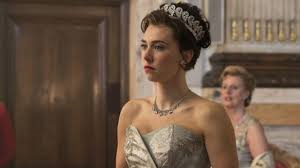 The Crown and fun as the White Widow in
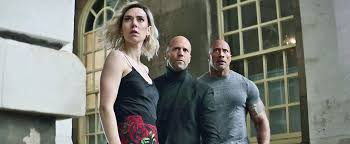
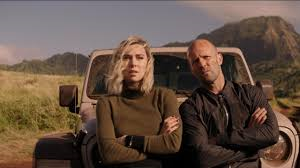
 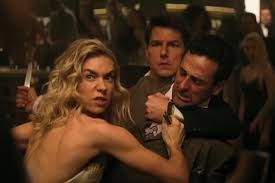 MI: Fallout) is simply wasted. I really liked her Hattie in this, a variation of Atomic Blonde, (also a David Leitch directed movie), but
 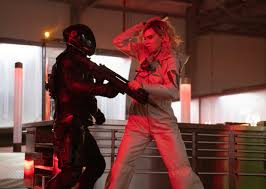 then her scenes had to be spliced back into the fatiguing Hobbs-Shaw bickering man measuring show.
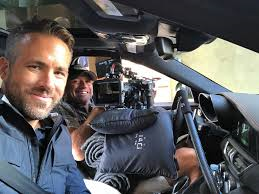 Ryan Reynolds appears in a cameo with dialogue that could have been made of rejected adlibs from Deadpool 2.
 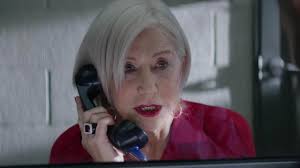 Helen Mirren walks through her reprised role as Shaw’s mother, Queenie. At one point Queenie assures Shaw that she is happy in prison and could break out any time she wanted – that it was quiet and she could just sit in her room, and spend her time reading – that it was like retirement. I couldn’t help but wonder if Ms. Mirren was talking about Queenie’s stint in the pen or Ms. Mirren’s actual presence on the set of this movie.
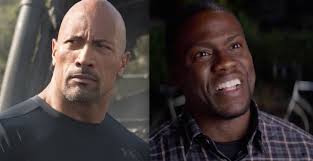 Kevin Hart pops up in a couple of random moments as Dinkley, the air marshal, to be used like duct tape on a leaky hose to solve a couple of plot holes. In return, Hart is allowed to ramble interminably in an improvisational-style soliloquy in lieu of any proper exposition for his character.
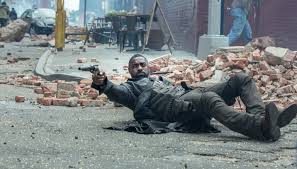
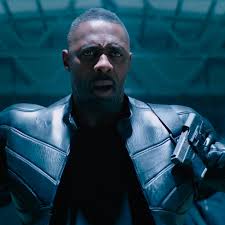 Idris Elba as main cybernetically enhanced bad guy Brixton gives it everything he has, carrying the weight of what little gravitas the movie has. By far the most interesting character, it was a sore temptation not to root for him to win.
 The premise of the story is that they are trying to prevent Idris Elba’s bad guy, Brixton, from getting ahold of an extinction-level virus for his unseen super villain boss.
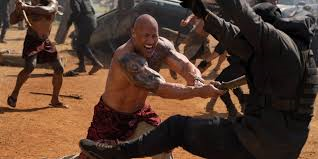
 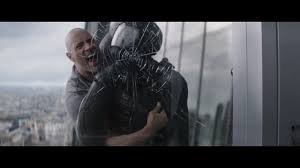 But it becomes obvious early on this is really just an excuse to create a string of cartoon quality violence fight scenes and car stunts.
 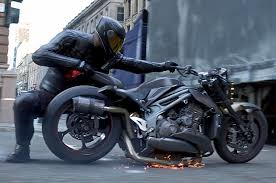 And while I do not fundamentally MIND that, the film makers have to at least TRY to hide this fact. But like a sloppy magician who yells “Look over there” before every clumsy trick, it just doesn’t work for long.
Instead of providing character and plot earned enthusiasm, 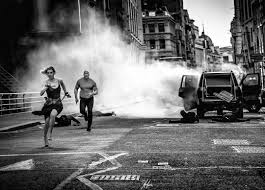 the chase scenes strove to outdo all the F&F chases put together and as a result became preposterous. I’m not giving spoilers as the scene where a
 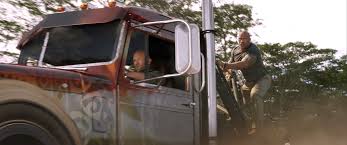 line of linked trucks are holding down a flying fortress helicopter is in the trailer. The chase scenes from The French Connection, Bullitt, The Great Escape, the beginning of The Rock (“Oh why NOT!”), or even the escape at the start of The Avengers from a collapsing building complex were exciting because the audience was led to believe the characters were potentially in danger.
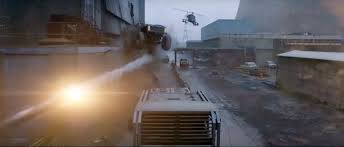 Well, I can easily imagine Jeremy Scott from Cinema Sins doing a bonus round of “They survived this”. The F&F movies are supposed to take place (more or less) in the real world and the leads, aside from Elba, are not supposed to have unusual supernatural powers – Dwayne Johnson’s mountain-sized physique notwithstanding.
 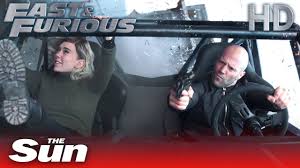 But the repeated walk aways from cataclysmic-sized vehicle crashes, which would have killed Bugs Bunny, stretched and eventually broke the suspension bridge of disbelief out from under the viewers. (And, I’m sorry, but it was tough for even my loyal Marvel-fan heart to believe that Cap could hold back the small helicopter Bucky flew during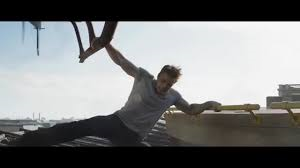
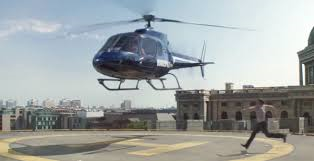 Captain America: Civil War.
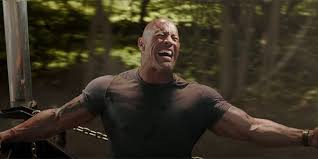 Johnson is just NOT holding down a military grade bird.) It did not take long for there to be zero investment in the outcome of the rides, knowing the main characters would likely to come out the right end of a freight train to the face.
Then there is the storyline.
We’re talking 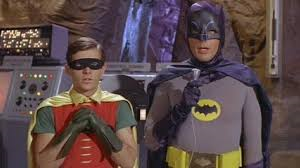 Adam West’s Batman level of contrivances and clunky dialogue, where guest stars appear out of nowhere and backstories are pulled from whole cloth to justify prior franchise installment plot holes.
For example, the fact that Hattie, Shaw’s spy sister, never came up in conversation is explained away by him having been framed for treason in the master plan of a heretofore unknown and currently still unseen megalomaniac bad guy. Hobbs’ extensive Samoan family was previously non-existent because he had alienated everyone by turning in his crime lord father to the authorities.
 Hobbs’ brother Jonah (Cliff Curtis), who lives on a remote island in Samoa, with only the technology of a classy chop shop at his disposal, is decided to be the ONLY person and place in the world they can go to fix cutting edge virus extracting bio equipment……? Huh? So I guess I can ask my car mechanic to do some gene splicing on the side. Easy peasy.
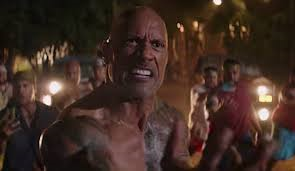 I did like the “importance of family” theme, which is one of the more endearing F&F tropes, including Shaw’s mom and sibling and Hobbs’ daughter, mother and brothers into the mix.
 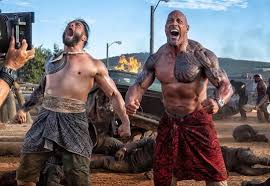 And it was nice they found a way to include Johnson’s actual Samoan heritage into the story. But it was shoe-horned in, superficial and paint by numbers – Hobbs doesn’t want to go home, brother punches him on sight, mom intimidates all the big boys into cooperating. Shaw’s mother, Queenie, fondly recounts, in flash back, how the previously unknown and unseen sister and Shaw concocted scams and committed felonies as children. What a mom.
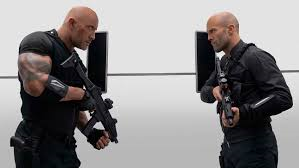 I guess it’s cute that they shoot parallel scenarios of these two men who can’t seem to stand each other doing pretty much the same things at the same time with their own styles. It might have even been funny had the repertoire between them sounded better than first day of shooting improvisation, created by two uninspired high school freshmen.
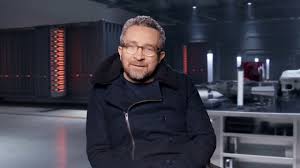 Supporting characters are dispatched or ignored with little fan fare. Professor Andreiko (Eddie Marsan from better movies like The World’s End, Atomic Blonde and Deadpool 2) is a heroic scientist who save our intrepid heroes, but then gets left behind without a thought, killed by Brixton with no consideration for how useful he might be in the future, with no attempt by the heroes to save him, and not so much as a “I wonder what happened to that little guy who saved our butts?” This callousness does nothing to shore up the already, by this time, flaccid investment the audience has in these characters.
 While there’s no overt sex, the language is unnecessarily crude and contains a good deal of profanity and blasphemy.
 If you REALLY think you want to see this latest and weakest F&F you can – LITERALLY – see a Reader’s Digest version of the ENTIRE movie via abridged cuts of all the best scenes in the official Fast and Furious Presents: Hobbs & Shaw trailer #2. It’s free, short and eliminates all the bad language.
But – if you want to see a GOOD car chase, adventure, buddy movie, try out one of the other better ones I’ve mentioned in this post or even go see one of the previous Fast and Furious installments. Sadly, this contender didn’t make it to the finish line.










 Popular wisdom says that origin books are almost always better than the movies based on them. While often true the reverse is more prevalent than you might think.
 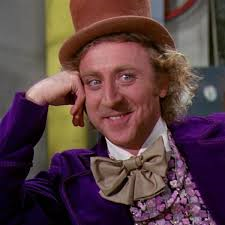 Take Gene Wilder’s Willie Wonka and The Chocolate Factory. The movie, based on the book Charlie and the Chocolate Factory, did not wander far from the source material. Though since Dahl wrote both the book and the first draft of the screenplay that is not surprising. But the movie had an added fillip which, to me, was the most memorable moment in the story. Charlie had snuck a sip of Fizzy Lifting Drink and Wonka tells Charlie because of that he won’t get any reward. But it’s a test.
 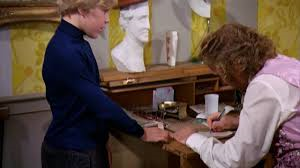 Despite Wonka’s cruel and angry behavior to him Charlie gives Wonka back the gobstopper souvenir instead of selling it to Wonka’s competitor. Wonka says: "So shines a good deed in a weary world," then tells Charlie he is to inherit the entire factory. It’s a beautiful moment masterfully played out between Wilder and Ostrum. But it wasn’t in the book. To me it was the crown jewel of the adventure.
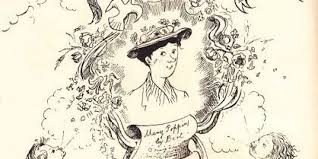 Mary Poppins was a series of adventures with the title character coming and going into and out of the Banks' children's lives, as the winds changed: trips around the world, tea parties on the ceiling, learning to cook when the Banks’ cook goes on leave, the birth of other children in the Banks' household, etc – some knit into the movie, most not. But no where does it have the central theme of rescuing not the children, but ultimately the Banks’ children’s father, despite the fact, according to the movie
 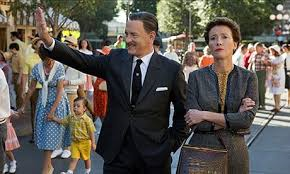 Saving Mr. Banks, this was the intent of her stories. Apparently she was just too coy with the theme. The movie, however, makes this beautiful theme crystal clear.
 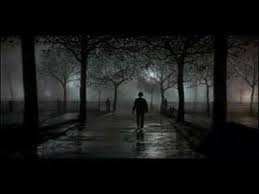 The hair on the back of your neck will stand up and the hardest will get teary watching a defeated Mr. Banks, knowing he is about to be fired, believing he has failed his children, stand, in the dark at the bottom of the steps of St Paul’s Cathedral where the children had wanted to buy feed for the birds. As the instrumental version of Feed the Birds swells in the background and you know there is a change of wind coming for HIM, you know you are experiencing one of the great moments of cinema. This was not nor could have been adequately portrayed in the book.
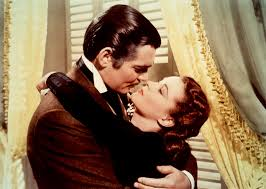 Gone With the Wind, while a classic book did not capture the imagination the way the movie did with its sweeping panoramas of Tara in her glory and stricken Confederate soldiers at the railroad station or the burning of Atlanta all against Max Steiner’s magnificent soundtrack and the incendiary chemistry between Leigh and Gable as Scarlett and Rhett played out in Technicolor.
 Harry Potter series, which are based on a sequence of books so packed with rich magical ideas and creativity that even in 8 movies the filmmakers could only make a Reader’s Digest version. Short shrift was given to some characters like
 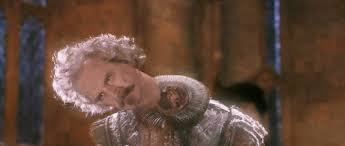 Nearly Headless Nick and some were left out altogether
 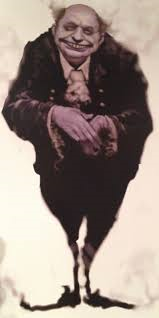 like Peeves; and some brilliant parts of the books were sadly absent from the films: Harry dressing down Lupin for virtually abandoning his wife and child; the previously misjudged Fleur Delacour declaring her continued devotion to the now scarred Bill Weasley saying "I am beautiful enough for the both of us." It was obvious the movies were a labor of love but just couldn’t do the books justice.
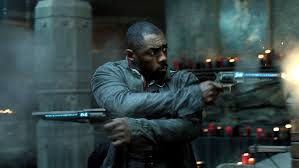
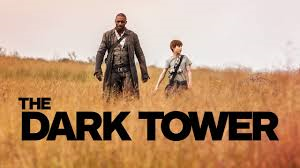
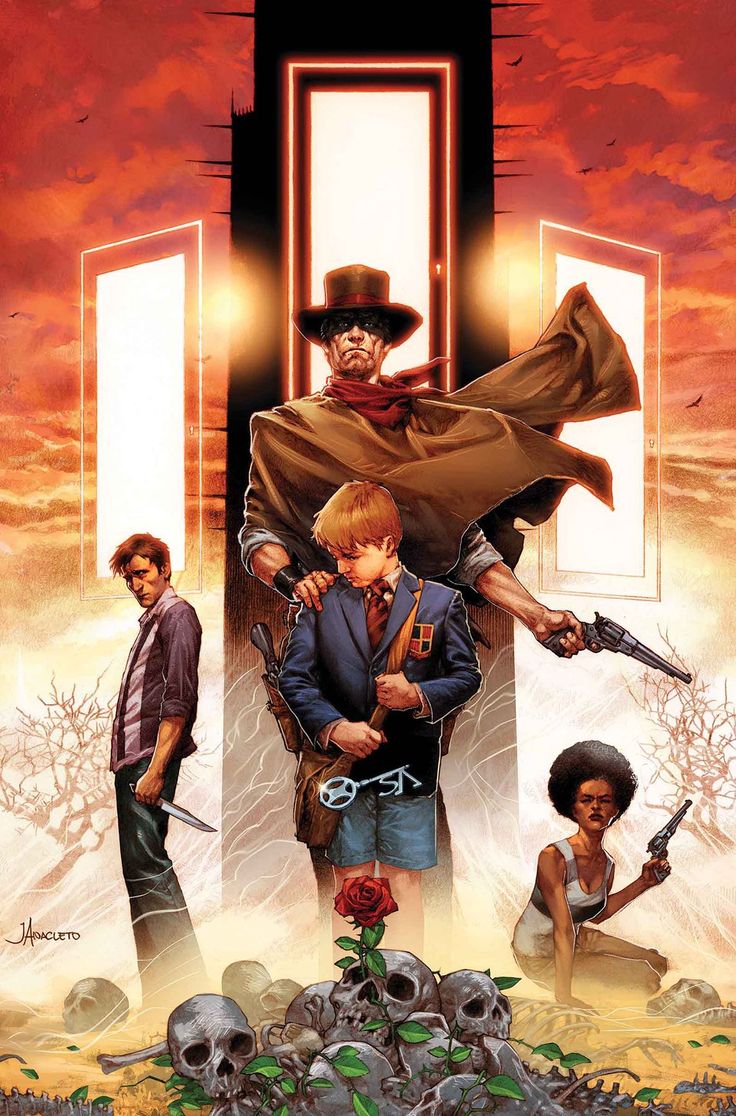 Then there’s Dark Tower. *weary sigh* I once was a fan of Stephen King. That was before he went on a diatribe against the pro-life movement, but that’s a story for another blog. During the height of my King fan-reading I tried to slog through the series of Dark Tower books AS they were coming out. I couldn’t get past the third of what would eventually be eight. It was an incomprehensible mess. It seemed as though King would wake up every morning and before his first cup of coffee spill, without filter, whatever thoughts came to him. Then the next day he would do the same thing, making weak efforts to tie what he’d written the previous day into the current days "work". There were lobster monsters and vampires, slow mutants and doomed theme parks, fatal rides on mining cars and homages to his other books. And in the book ROLAND, THE GUNSLINGER THOUGHTLESSLY MURDERS JAKE just to be able to continue his quest towards this Dark Man who, as time goes on, seems to not be quite as bad as the the Gunslinger himself. Then at the end of the 8th book (I read the Wikipedia synopsis recently as I didn’t want to wade through the rest of the books) King pretty much gives a middle finger to his audience, leaving the Gunslinger to start his quest all over again with no real resolution. The series reads like a challenge to see just how devoted his fans really are – like an insecure child constantly misbehaving just to be forgiven, demanding his parents prove they love him.
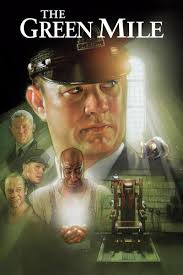 Green Mile was a beautifully written modern parable and I’d be hard pressed to say which I liked better – book or movie. They were both well done, the former by King the latter by Frank Darabont.
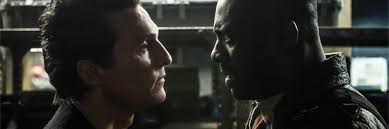 So they took the general idea of the Dark Tower quest, the 3 main characters – Roland, Jake and Walter the Dark Man, SOME of the weirdness
 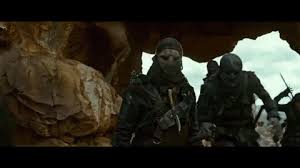 (animal mutants wearing people faces) and created a STORY.
 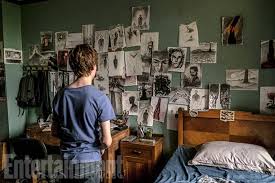 Fatherless Jake and his widowed then remarried mother live in a New York beset with signs of coming cataclysm – earthquakes and eerie storms. His visions of the gunslinger’s Wasteland – a world which has "moved on" – and his violent outbursts drive his desperate mother to seek help from psychiatrists who ultimately schedule him for a stay at a retreat for troubled youths. When Jake realizes the social workers who have come to take him are mutants from the Wasteland of his visions he escapes through a portal in an abandoned house possessed by a demon sent by the Dark Man….and THIS is the version of the story that makes SENSE!
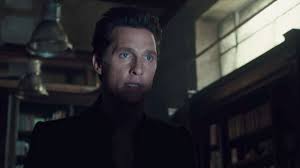 The Dark Man, Walter, is played like a sinister Vegas magician by Matthew "Interstellar" McConaughey. Not his fault – just the way it’s written. McConaughey does his best to tread that fine line between over the top scene chewing bad guy and seductive Hannibal Lector-like serial killer. The result is serviceable but nothing to write home about.
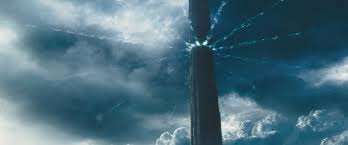 If the Dark Tower is the force for good, why is it DARK? The thing looks pretty darned creepy as portrayed – not some bastion of good and cohesive force. Traditionally, especially in a mythos-like fable of good and evil something this DARK would represent evil. And why is something DARK under attack from the DARK Man? The name similarities are either a product of a direct intentional relationship or sloppy writing. If the former there is a glaring inconsistency. As this is a completely invented universe we have no context for making a distinction and are given no explanation. Where did the mutants come from and why does the Dark Man make them wear masks? Why do the "mutants" look like large versions of Ratty from Wind in the Willows? How did the Wasteland come to "move on" and where did that expression come from? Not to be pedantic or facitious but where did it move to? Just an odd phrase for something falling apart. How does the Gunslinger have the power to resist the Dark Man’s magic and if the Dark man has the power to put people under his control just by waving at them why does he play with Roland like a sated cat with a mouse instead of just sending people by the thousands to overwhelm him?